

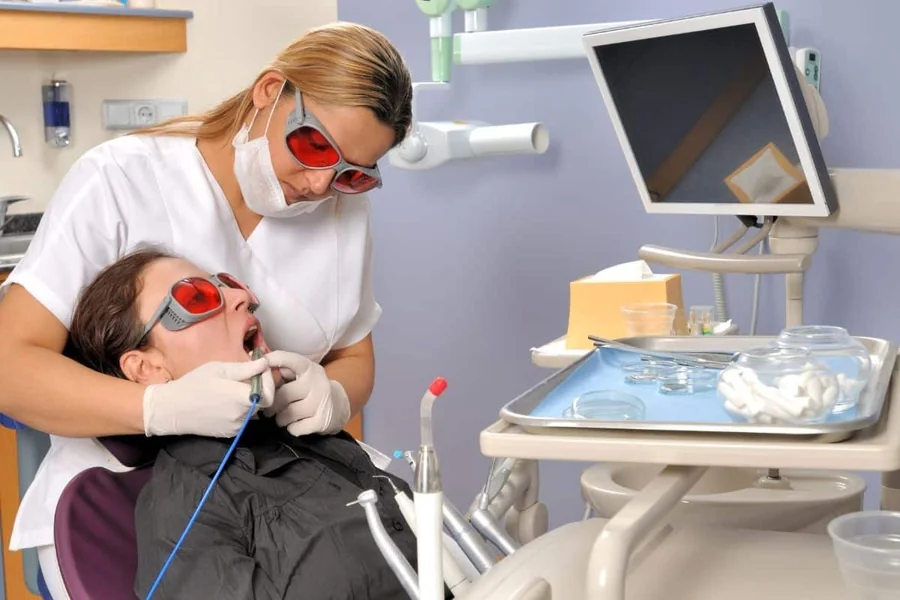
Education can change how you view family dental visits. A dentist in North York, Toronto can help you learn the right habits. Teaching your family about dental care makes visits easier. You can avoid pain and fear with knowledge. Kids will understand why dental health matters. They won’t dread their appointments. It’s not just about brushing. It’s knowing why brushing helps. When your family understands, they take charge of their health. This changes how they feel about seeing the dentist. Schools can also play a role. Teachers can share good habits. Community programs can help too. By connecting with them, you strengthen your family’s dental health. It starts with learning. You have the power to change your family’s view. Show them how education makes a difference. Lead them to better dental visits. With knowledge, they feel more at ease. You can make every visit a positive step for health.
The Importance of Early Education
Early education about dental health sets a strong foundation. It impacts long-term habits. Young children who learn about brushing and flossing grow into adults with healthier smiles. Encourage this by incorporating dental lessons at home. Storybooks and songs about teeth make learning fun. You can also use activities. For example, let kids practice brushing on a toy. This way, they learn the skill without pressure. A strong start in education helps children feel confident during dental visits.
Community and School Programs
Community programs and schools are great resources for dental education. These programs often provide free workshops or materials. They cover essential topics such as proper brushing, diet, and the importance of regular check-ups. Schools can include dental health in their science or health curriculum. Inviting dental professionals to speak at schools can also spark interest. The American Dental Association provides resources for teachers to use in classrooms. Visit their site for more information.
Impact of Education on Dental Anxiety
Education reduces dental anxiety. When you and your family know what to expect, fear diminishes. Understanding dental procedures helps. Seeing familiar tools and knowing their purpose makes a difference. Discuss upcoming visits at home. Use simple explanations. Encourage questions. Answer them honestly. Practice relaxation techniques together. This way, visits become calm experiences.
Creating a Family Dental Routine
Set a family dental routine. Involve everyone in regular practices. Make it a group effort. Brush together each morning and night. You can even track progress on a chart. Celebrate when everyone meets their goals. This routine fosters responsibility. It connects the family through a shared health goal.
Table: Comparison of Tooth Decay Rates by Education Level
| Education Level | Tooth Decay Rate (%) |
| No High School | 40 |
| High School Graduate | 30 |
| College Graduate | 20 |
This table shows how education affects dental health. Higher education levels often mean better dental habits and lower tooth decay rates. Educating your family can improve their dental outcomes, regardless of age.
The Role of Parents in Dental Education
Parents play a crucial role in dental education. Lead by example. Show your children the importance of dental care by practicing it yourself. Talk to them about the benefits of a healthy mouth. Discuss how being responsible with their teeth can prevent pain and other health issues. Make dental care a regular topic at home. Regular discussions reinforce the message and keep dental health on everyone’s mind.
Conclusion
Education is key to improving your family’s dental visits. By learning and teaching proper dental care, you build habits that last a lifetime. Use resources from schools and communities. Address dental anxiety with knowledge and preparation. Establish a routine that involves the whole family. Lead by example and keep the conversation going. Embrace the power of education to create positive dental experiences for your family.
