

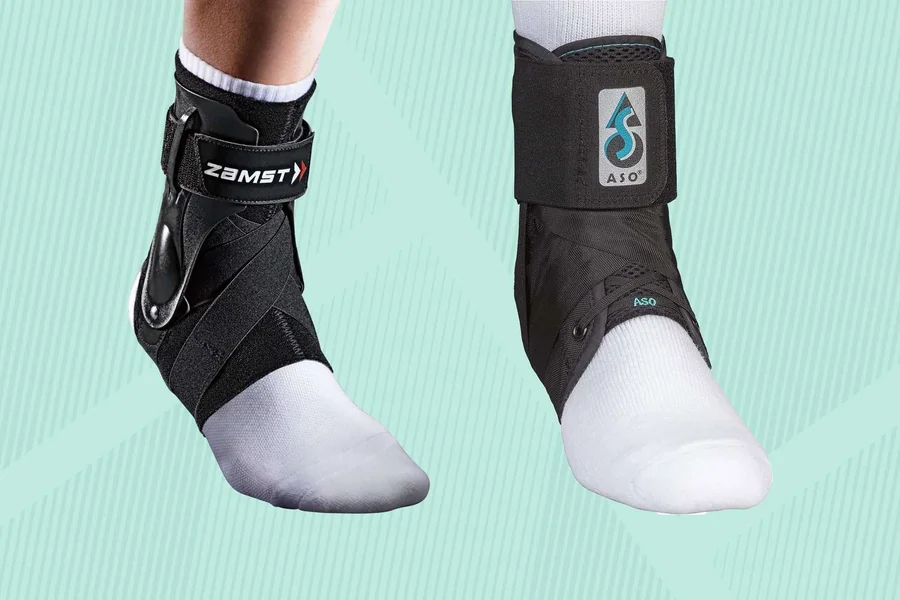
If you have ever spent time in a gym, you know that feeling of being in the zone. You are lifting weights, running on the treadmill, or pushing through a tough cardio class. Everything feels great until it does not. One tiny slip, one heavy landing, or one awkward twist, and suddenly your ankle feels like it is twice its normal size.
Ankle injuries are some of the most common problems people face in the gym. Because your ankles carry your entire body weight, they take a beating every single time you move. When you add the extra pressure of heavy weights or high-impact jumping, those small joints are working incredibly hard. This is where joint protection becomes your best friend.
Understanding how to use an ankle binder belt or a basic ankle support can make the difference.
Why Do Ankle Injuries Happen in the Gym?
Your ankle is a complex meeting point of bones, ligaments, and tendons. In a gym setting, injuries usually happen for three main reasons:
1. The Roll: This happens during side-to-side movements or when landing a jump. Your foot turns inward, stretching the ligaments on the outside of your ankle.
2. The Overload: When you squat or deadlift very heavy weights, your ankles have to stabilize that extra mass. If your form is slightly off, the pressure can strain the joint.
3. The Fatigue: Toward the end of a workout, your muscles get tired. When muscles are tired, they stop protecting the joints as well as they should, leading to clumsy movements and sprains.
What Is an Ankle Binder Belt?
You might have heard people talk about an ankle binder belt or a compression wrap. Unlike a slip-on sock, a binder is usually a long, elasticized strip of fabric with Velcro on the ends.
Think of it like a very strong, stretchy bandage that you wrap around your ankle in a figure-eight pattern.
- Custom Fit: Because it is a wrap, you can decide exactly how tight you want it. If your ankle feels extra shaky one day, you can wrap it a bit tighter for more security.
- Compression: One of the best things about a binder belt is that it provides compression. This helps keep swelling down if you have a minor nag or an old injury that likes to flare up.
- Low Profile: Most binder belts are thin enough to fit inside your regular gym shoes without feeling like you are wearing a giant boot.
Choosing the Right Ankle Support
There are many different ways to protect your joints, and the best one for you depends on what you are doing in the gym.
1. The Compression Sleeve
This is a simple, stretchy sleeve that slides over your foot. It provides warmth and a little bit of compression. It is great for general joint protection if you have a history of clicking or minor soreness but no major instability.
2. The Ankle Binder / Wrap
As mentioned above, the ankle binder belt is perfect for people who want to adjust their support level. It is excellent for weightlifters who need stability during heavy sets but want to loosen the wrap between exercises.
3. The Lace-Up Brace
This looks almost like a corset for your foot. It has laces and often plastic stays on the sides to prevent the ankle from rolling at all. You usually only see these after a significant sprain or if you are playing a high-impact sport like basketball.
Joint Protection Beyond the Brace
While an ankle support is a fantastic tool, it is only one part of staying safe. To truly protect your joints in the long term, you should focus on a few key areas:
- Warm-Up Your Ankles: Before you start your workout, spend two minutes doing ankle circles and calf stretches. This gets the oil flowing in the joint.
- Check Your Shoes: If you are lifting heavy weights in squishy running shoes, your ankles are on an unstable platform. For heavy lifting, flat-soled shoes or specific lifting shoes provide a much safer base.
- Balance Training: Try standing on one leg while you brush your teeth. This simple act strengthens the tiny stabilizer muscles around your ankle, making you much less likely to roll it during a workout.
When to Wear Your Support
A common mistake people make is wearing an ankle binder all the time. Just like with neck collars, your body can get used to the extra help.
The best strategy is to wear your ankle support during the danger zones. If you know your ankles feel weak during squats, wear the binder for those sets. If you are going for a long run on a treadmill, put the sleeve on. Once your workout is over, take the support off. This allows your muscles to stay strong and functional while giving you peace of mind when the intensity is high.
Final Thoughts
Gym injuries can be a major setback, but they do not really have to be inevitable. By investing in a simple ankle binder belt or a basic wrap, you are giving your body a safety net. These tools are affordable, easy to carry in your gym bag, and incredibly effective at keeping you moving.
Protecting your joints today means you will still be able to hit the gym ten, twenty, or thirty years from now. Listen to your body, give it the support it needs, and keep pushing toward your goals
