

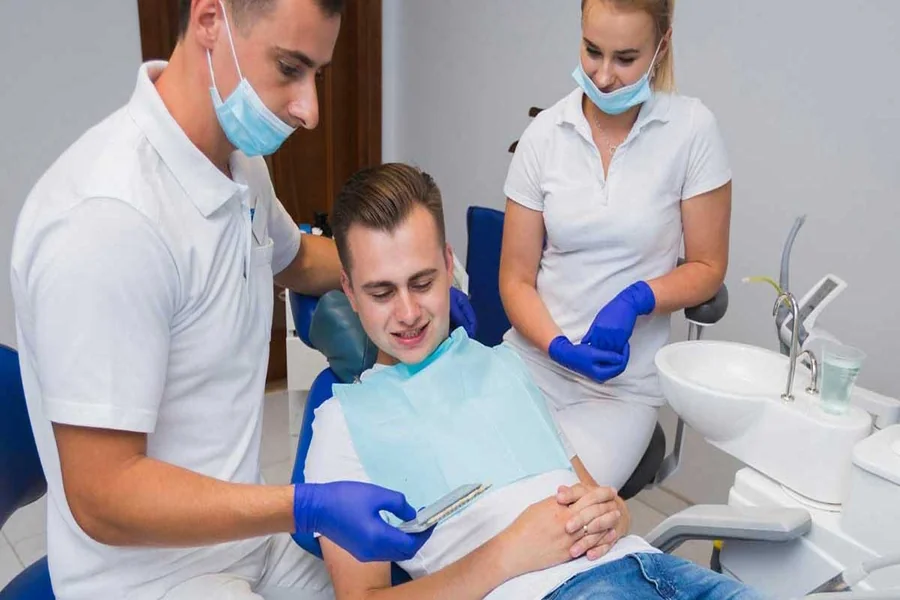
Understanding dental care for special needs patients is crucial. Family dental teams play a big role in providing this essential support. They focus on creating a calm environment, which helps ease anxiety. Specialized training equips them to handle diverse needs with patience and skill. When visiting a Columbia dentist, you notice their gentle approach. They use simple words to explain procedures. Also, they work closely with caregivers to develop personalized care plans. This collaboration ensures the best outcomes. Family dental teams offer flexible scheduling, making visits less stressful. Moreover, they use adaptive equipment for better comfort. Alongside routine care, these professionals educate families on effective oral hygiene practices tailored to individual needs. This guidance promotes long-term dental health. By focusing on empathy and practical strategies, family dental teams empower patients and their families. They remind us that everyone deserves compassionate care, regardless of their needs.
Creating a Welcoming Atmosphere
Family dental teams understand that comfort is key. They design their spaces to feel welcoming and safe. Soft lighting and quiet rooms help reduce stress. Friendly staff greet patients warmly. These small touches make a big difference in comfort levels. It helps patients feel more at ease during visits.
Building Strong Relationships
Dental teams work hard to build trust. They communicate openly with patients and caregivers. By listening carefully, they address any concerns. This open dialogue fosters trust and confidence. The dental team becomes a trusted partner in health care.
Personalized Care Plans
Each patient has unique needs. So, dental teams create personalized plans. These plans consider the patient’s medical history and current needs. Caregivers are involved in the planning process. This teamwork ensures that patients receive the best possible care.
Adaptive Techniques and Equipment
Specialized equipment is crucial. Dental teams use tools designed for comfort. Adaptive chairs and sensory-friendly materials make a big difference. These modifications help patients feel more comfortable and secure during procedures.
Education and Training
Continuous education is essential for dental teams. They receive training on working with special needs patients. This training covers communication techniques and behavior management. It prepares them to handle any situation with confidence and care.
Flexible Scheduling
Visits can be challenging for special needs patients. Flexible scheduling options ease this burden. Dental teams offer longer appointments for those who need extra time. They also provide quiet times during the day for patients who prefer less busy environments.
Long-Term Health Benefits
Routine dental care prevents long-term issues. Consistent visits help maintain oral health. Early intervention prevents complications. Dental teams emphasize the importance of regular care. Good oral hygiene practices at home are also encouraged.
Comparative Analysis
| General Dentist | Family Dental Team |
|---|---|
| Standard care | Specialized care for all ages and needs |
| Fixed scheduling | Flexible scheduling |
| Standard equipment | Adaptive equipment |
| Routine training | Specialized training |
Resources for Further Reading
You can find more about dental care for special needs patients at the National Institute of Dental and Craniofacial Research. They provide detailed guides and resources. Understanding these practices helps improve patient experiences.
In addition, the Centers for Disease Control and Prevention offers insights into maintaining oral health. Their resources are helpful for caregivers and dental professionals alike.
Family dental teams show a compassionate commitment to care. They meet the unique needs of special needs patients with empathy and skill. Through personalized care plans and adaptive techniques, they ensure every patient receives the care they deserve.
