

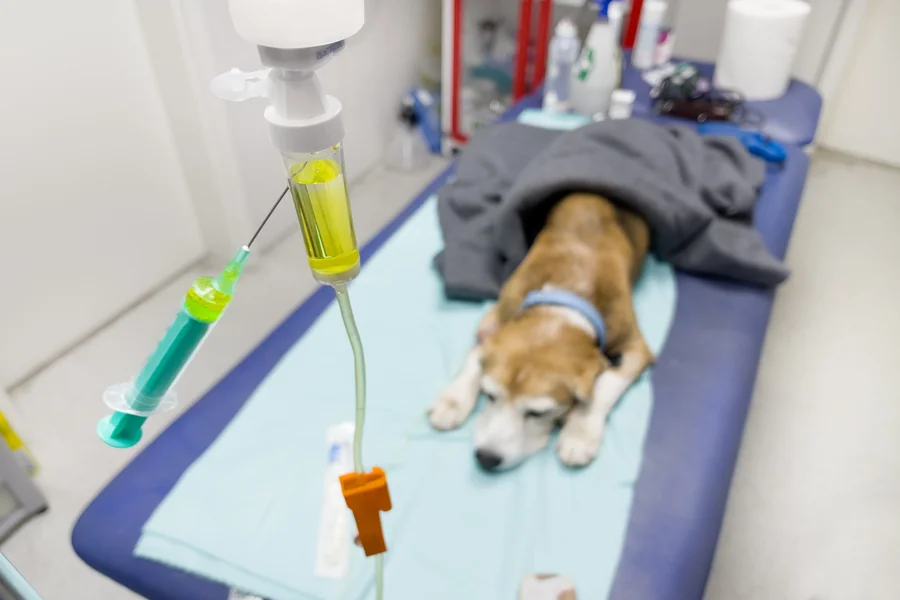
You face a distressing situation when your beloved pet has an unexpected emergency. Understanding how small animal hospitals handle these crises can help ease your anxiety. When you rush to a North Richmond Hill veterinarian, you find a team ready to act swiftly and effectively. First, the staff assesses your pet immediately. They prioritize life-threatening issues. Quick action is crucial. Next, they communicate clearly with you about necessary steps. This transparency ensures you stay informed. They might need to stabilize your pet or prepare for further treatment. Each action aims to provide relief. Your pet’s comfort and health guide every decision. Whether it’s a broken bone or sudden illness, these professionals offer hope and a plan. Knowing what to expect can bring solace in these challenging moments. You can trust that animal hospitals are equipped to handle emergencies with skill and care.
Initial Assessment and Triage
Upon arrival, a veterinary technician or assistant performs an initial assessment. This step is crucial to identify the severity of the emergency. They check vital signs such as heart rate, breathing, and consciousness. This quick evaluation helps determine treatment priority. The triage process ensures that pets needing urgent care receive it immediately.
Stabilization Measures
If your pet is in a critical condition, stabilization is the next priority. This may involve administering oxygen, intravenous fluids, or medications to manage pain. The goal is to stabilize your pet’s vital functions. By doing so, veterinarians provide a better foundation for further treatment. This phase is crucial and reassures you that your pet receives the necessary care to manage immediate threats.
Clear and Compassionate Communication
Throughout the emergency process, veterinarians and staff keep you informed. They explain what is happening and what they need to do next. You receive updates on your pet’s condition and the expected outcomes. This open communication helps you understand the situation and feel involved in your pet’s care. You can ask questions and receive answers that help you make informed decisions.
Advanced Diagnostics and Treatment
Once stabilized, the veterinary team may need to perform diagnostic tests. These could include blood tests, X-rays, or ultrasounds. These tests identify internal issues that are not visible externally. Depending on the results, the veterinarian decides on the best treatment plan. This could involve surgery, medication, or other therapies. Each decision aims to improve your pet’s health and comfort.
Common Pet Emergencies
Understanding common emergencies can prepare you for potential situations. Here is a list of frequent issues handled by small animal hospitals:
- Trauma from accidents or falls
- Ingestion of harmful substances
- Severe allergic reactions
- Difficulty breathing
- Seizures
Recognizing these signs can help you react quickly and seek immediate care for your pet.
Cost and Financial Assistance
Veterinary emergencies can be costly. It’s helpful to understand potential expenses and options for financial assistance. Some clinics offer payment plans or work with pet insurance companies. Planning ahead can reduce stress when emergencies occur.
| Common Emergency | Average Cost |
|---|---|
| Minor Injury | $200 – $500 |
| Severe Illness | $1,000 – $3,000 |
| Surgery | $2,000 – $5,000 |
Preventive Measures
You can take steps to prevent some emergencies. Pet-proof your home. Keep harmful substances and objects out of reach. Regular check-ups with your vet can catch health issues early. These simple actions can reduce risks and keep your pet safe.
Finding a Trusted Veterinary Clinic
It’s important to know where to go when an emergency arises. Establish a relationship with a local clinic. Ensure they offer emergency services or have a reliable referral. For more information on choosing a veterinarian, you can refer to resources like the American Veterinary Medical Association.
Conclusion
Pet emergencies are frightening but having a plan helps. Knowing what happens at small animal hospitals can bring comfort during these tough times. You see dedicated professionals acting quickly and efficiently. They ensure the best possible outcome for your beloved companion. Remember, preparation and knowledge are your best allies in providing care for your pet during emergencies.
