

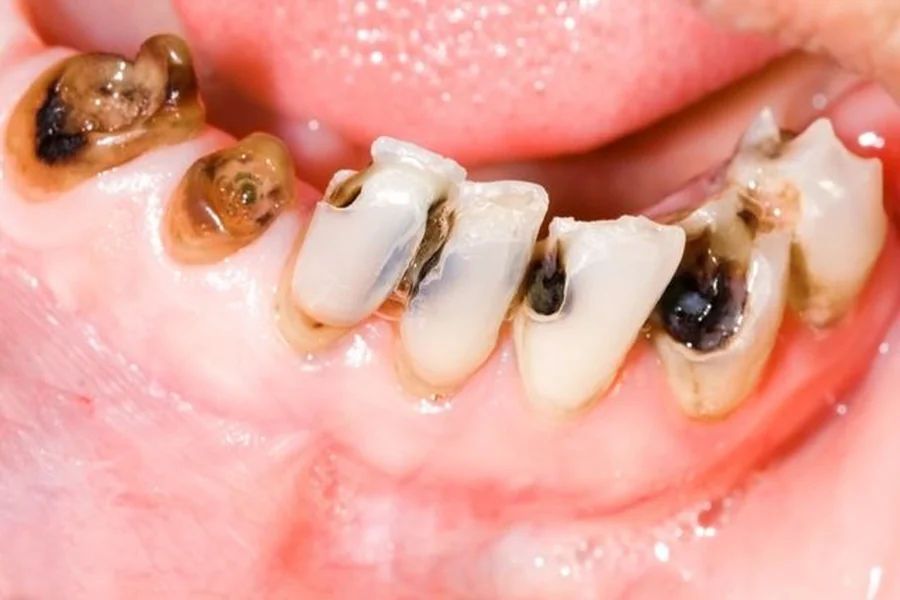
You might feel uneasy hearing the words “cavity” or “tooth decay” at the dentist’s office. These issues are common, but understanding how a dentist in Santa Monica, CA treats them can ease your mind. Cavities and decay threaten your oral health, but effective treatment is available. General dentists tackle these problems with skill and care. They use simple techniques to restore your teeth and prevent future damage. Some of these methods include fillings, crowns, and cleanings. Dentists examine your teeth, identify issues, and explain treatment options. You will feel informed and supported throughout the process. Regular check-ups and proper care can prevent most dental problems. This straightforward approach ensures your teeth remain strong and healthy. Understanding treatment options helps you make informed decisions about your dental care. You deserve a smile that lasts a lifetime. Let’s dive into what you can expect during a visit to your dentist.
Understanding Cavities and Tooth Decay
Cavities result from tooth decay, a process where acids eat away at your tooth enamel. These acids form when sugars mix with bacteria in your mouth. It’s crucial to address cavities early to avoid more serious dental issues. Regular dental visits can catch cavities before they become painful or require more intense treatment.
Common Treatment Options
General dentists offer several effective treatments for cavities and decay:
- Fillings: The most common treatment for cavities. The dentist removes the decayed portion and fills the gap with materials like composite resin.
- Crowns: Used when decay is extensive. Crowns cover the entire tooth, restoring its shape and function.
- Root Canals: Necessary when decay reaches the tooth’s inner pulp. The dentist cleans the pulp, then seals the tooth to prevent further damage.
- Fluoride Treatments: Help strengthen tooth enamel and prevent future cavities.
Prevention is Key
Prevention remains the best strategy against cavities and decay. Here’s how you can maintain healthy teeth:
- Brush your teeth twice daily with fluoride toothpaste.
- Floss daily to remove food particles and plaque.
- Limit sugary and acidic foods and drinks.
- Visit your dentist regularly for check-ups and cleanings.
Comparing Treatment Options
| Treatment | Purpose | Benefits |
|---|---|---|
| Fillings | Restore small areas of decay | Quick and cost-effective |
| Crowns | Cover and protect damaged teeth | Durable and long-lasting |
| Root Canals | Remove infected pulp | Relieves pain and saves tooth |
| Fluoride Treatments | Strengthen enamel | Preventative measure |
Understanding Dental Anxiety
Many people feel anxious about dental visits. You’re not alone if you experience this. Communicating with your dentist about your fears can help. Dentists are trained to make you comfortable and can offer solutions like sedation dentistry to help you relax.
Additional Resources
For more detailed information on cavities and dental health, visit the American Dental Association’s resource on cavities and the CDC’s overview of adult oral health.
Conclusion
Addressing cavities and decay promptly can save your teeth and prevent discomfort. By understanding the treatments available and taking preventive steps, you ensure a healthier smile. Regular dental visits and proper oral care are simple steps towards maintaining your teeth’s health. Remember, your dentist is your partner in achieving and maintaining a bright, healthy smile.
